

Exploring the Different Design Styles Available in Today’s Market for Premium Home Ice Bath Tubs
Introduction
The modern wellness movement has transformed recovery practices from basic athletic necessities into sophisticated lifestyle rituals. Cold therapy, once confined to rugged sports arenas and makeshift DIY ice chests, now occupies a central space in contemporary residential design. Homeowners and wellness enthusiasts no longer view recovery equipment as an eyesore to be hidden away in a garage or utility room. Instead, they demand fixtures that complement high-end interior and exterior aesthetics. Choosing the right ice bath tub requires an understanding of how form meets function, blending cutting-edge thermal engineering with architectural elegance. In today's market, manufacturers offer a diverse array of design styles that cater to minimalist aesthetics, organic luxury, and industrial durability. This article explores the various design styles available for premium home recovery systems, examining how these units integrate into modern living spaces while delivering elite performance.
The Rise of Minimalist and Architectural Modernism
Minimalist design philosophy emphasizes clean lines, neutral color palettes, and an absence of unnecessary ornamentation. In the realm of luxury wellness, this translates into sleek, geometric structures that command attention through quiet sophistication. Manufacturers embracing this style often utilize monolithic shapes, such as perfect cylinders or rectangular prisms, crafted from seamless composite materials or matte-finished polymers. These units look less like medical appliances and more like high-end sculptures resting on a patio or within a dedicated spa room.
The appeal of a high-end cold plunge tub lies in its ability to anchor a space without overwhelming it. Integrated digital control panels are often flush-mounted, preserving the clean silhouette of the basin. Hidden plumbing lines and concealed chillers further enhance the streamlined appearance. For homeowners who favor modern architecture featuring concrete, glass, and steel, a minimalist recovery tub acts as a natural extension of the surrounding environment. This design approach proves that high-performance recovery does not require bulky machinery to achieve optimal results. Furthermore, the exterior finishes on these minimalist models are typically treated with UV-resistant coatings and anti-microbial sealants, ensuring that the visual appeal remains pristine over years of outdoor exposure.
Organic Luxury and Biophilic Integration
As wellness spaces increasingly incorporate natural elements, biophilic design has become a dominant trend in high-end home architecture. Biophilic design seeks to connect building occupants more closely to nature through the use of natural materials, light, and living vegetation. Premium recovery manufacturers have responded to this shift by introducing units wrapped in sustainably sourced hardwoods like cedar, teak, or thermal-modified ash.
These wooden finishes soften the industrial coldness typically associated with water cooling equipment. A well-crafted wooden ice bath tub brings warmth and tactile richness to a backyard oasis or indoor wellness sanctuary. Over time, high-grade exterior woods weather gracefully, developing a rich patina that tells the story of consistent use and natural adaptation. Furthermore, designers often pair these wooden facades with copper accents or natural stone surrounds. This creates a harmonious blend of organic textures and clinical-grade efficiency, satisfying the desire for both aesthetic warmth and rigorous physiological recovery. Biophilic units also excel in psychological terms; the natural aesthetic promotes a sense of calm before the physical shock of cold immersion, easing the transition into the therapeutic routine.
Industrial Durability and High-Performance Aesthetics
For individuals who prioritize raw performance and longevity above all else, industrial-inspired design styles offer an appealing alternative. Originally popularized by athletic training facilities and elite sports recovery centers, these units draw heavy inspiration from professional-grade equipment. However, high-end manufacturers have refined the aesthetic to suit upscale residential environments without compromising on structural integrity.
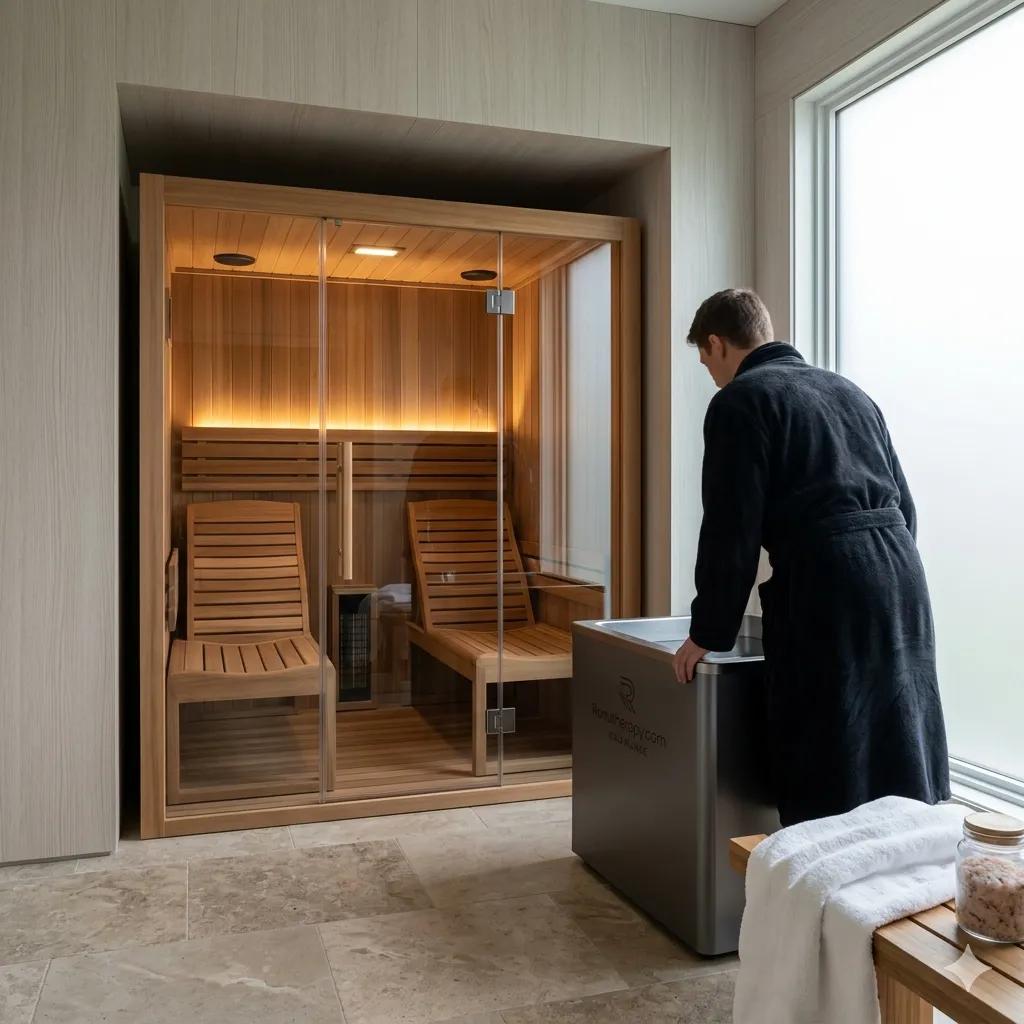
Marine-grade stainless steel and brushed aluminum dominate this category. A residential unit inspired by a commercial cold plunge brings unmatched durability and a professional aesthetic directly to the home. The reflective metallic surfaces catch light dynamically, giving the installation a striking, high-tech presence. While commercial units are built to withstand heavy daily traffic from dozens of athletes, their residential counterparts scale down these robust engineering principles into a polished, home-friendly package. Exposed hardware, heavy-duty latches, and precision gauges communicate a sense of uncompromising power and reliability. Additionally, the interior lining of these industrial-style cold plunge tubs is engineered for rapid thermal conductivity, ensuring that water temperatures remain stable even during extended multi-person recovery sessions on hot summer days.
Ergonomics, Customization, and Tailored Integration
Beyond surface-level aesthetics, the true value of a premium recovery tub rests in its ergonomic design and adaptability. Modern consumers possess unique physical proportions and spatial constraints, driving the demand for customized solutions. Manufacturers now offer adjustable seating angles, contoured interior steps, and varied depth profiles to ensure users can submerge comfortably up to the neck without straining their posture or slouching awkwardly.
Moreover, integrating these systems requires careful consideration of spatial flow and structural support. Some homeowners prefer drop-in models that sit flush with custom wooden decking or stone patios, creating a seamless transition from walking surface to water level. Others opt for freestanding units that can be relocated seasonally depending on weather conditions or interior remodeling projects. Lighting also plays a crucial role in modern design. Integrated underwater LED systems allow users to tailor the ambiance of their sessions, transforming a routine cold exposure session into a deeply immersive sensory experience. When selecting among the various cold plunge tubs available on the market, paying close attention to these structural and ergonomic details ensures long-term satisfaction and comfort.
Conclusion and Call to Action
The marketplace for home recovery equipment has evolved dramatically, offering design styles that range from austere minimalism and organic biophilic luxury to robust industrial efficiency. Selecting the ideal unit involves balancing personal aesthetic preferences with practical requirements like spatial availability, maintenance needs, and performance specifications. Whether you are looking to elevate your backyard patio with a striking wooden finish or seeking the sleek precision of a high-end metal basin, today's market provides exceptional options to match your vision.