

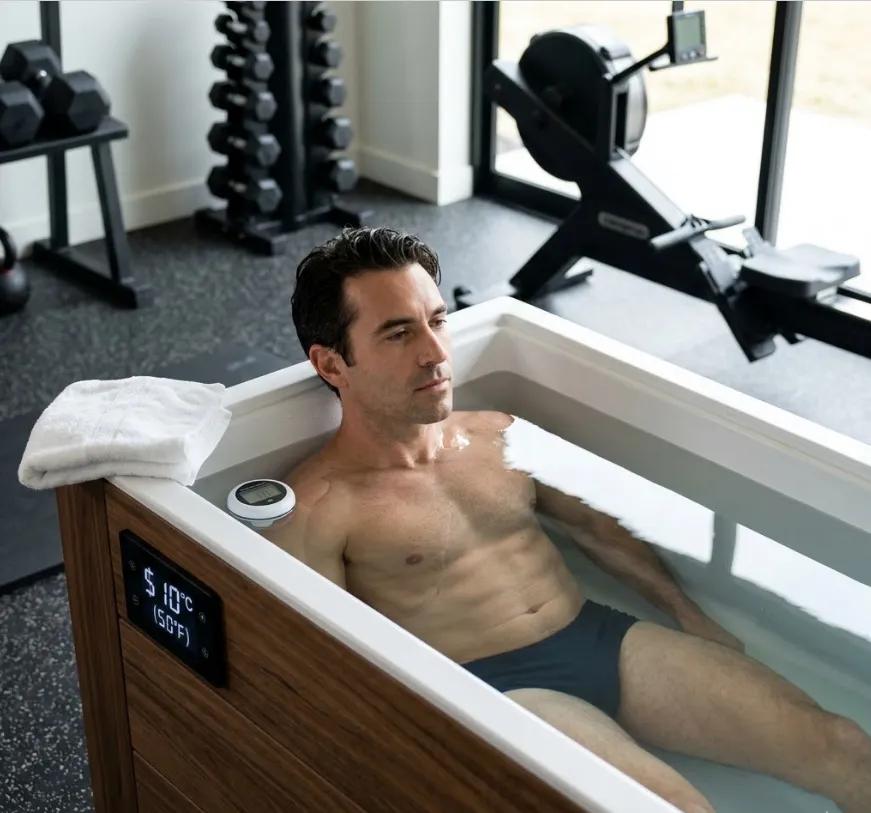
Cold Plunge Chiller
What started as an extreme ritual reserved for elite athletes and biohacking celebrities like Joe Rogan and Wim Hof has officially evolved into a mainstream health movement. Every week, millions of people willingly submerge themselves in freezing water. They are not just doing it for the trend; they are chasing the profound mental resilience and physical recovery that cold water therapy provides.
If you are tired of hauling heavy bags of ice to your bathtub every morning, investing in a dedicated setup is the logical next step. This guide will break down the science behind the freeze and help you find the best cold plunge for home gym spaces or commercial facilities.
The Science-Backed Benefits of the Freeze
Deliberate cold exposure is more than a test of willpower. It triggers a cascade of physiological responses that optimize your mind and body:
Accelerated Muscle Recovery: Cold exposure constricts blood vessels and decreases metabolic activity, which significantly reduces swelling and tissue breakdown. Slipping into recovery tubs after intense training helps flush out metabolic waste, getting you back to peak performance faster.
Systemic Inflammation Reduction: Research shows that regular immersion suppresses inflammatory pathways, helping manage chronic joint pain and delayed onset muscle soreness (DOMS).
The Ultimate Buying Guide: Chiller vs. Ice Manual
Before looking at specific setups, it is crucial to understand the day-to-day difference between maintaining an automated system and manually cooling your water.
Feature | Dedicated Water Chiller for Cold Plunge | Manual Ice Method |
Convenience | Set-and-forget digital temperature controls | Requires buying, hauling, and dumping 40–80 lbs of ice per session |
Water Longevity | Continuous filtration keeps water clean for months | Water must be drained frequently to prevent bacterial growth |
Operating Cost | Minor increase in electricity bills | High ongoing costs for commercial ice bags ($10–$30 per plunge) |
Temperature Consistency | Holds an exact temperature indefinitely | Temperature fluctuates rapidly as the ice melts |
Choosing the Right Tank Setup for Your Needs
There are three primary directions you can take when building your ultimate home or commercial cold plunge setup:
1. Portable / Inflatable Tubs (Budget-Friendly)
Often constructed from durable drop-stitch materials (similar to inflatable stand-up paddleboards), these cold plunge tubs are incredibly resilient yet easy to deflate and transport. They offer excellent value and serve as a perfect entry point when paired with an external cold plunge chiller.
2. Chiller-Integrated Tanks (Premium & Automatic)
These are all-in-one, high-end units where the cooling mechanics, pump, and filtration systems are seamlessly built into the frame of the tub. They are incredibly sleek, highly insulated, and require minimal assembly. If you want a luxury aesthetic for an upscale patio or home gym, this is the gold standard.
3. DIY Chest Freezers (The "Appliance Conversion")
Converting a household chest freezer into a cold plunge is a popular weekend project for handy biohackers.
Pros: Highly insulated walls keep running costs remarkably low; relatively inexpensive up-front hardware costs.
Cons: Severe safety risks if not perfectly sealed and completely unplugged before stepping inside; prone to internal rust, seam leaks, and lacks built-in water filtration.
Key Features to Look For in a Cold Plunge Chiller
When shopping for a dedicated cold plunge cooling unit, keep these four vital engineering specifications in mind:
Cooling Power (Horsepower): Look for a chiller with at least 1/2 HP (Horsepower) for indoor setups, or 1 HP if your tub will be sitting outdoors in hot climates. Higher horsepower cools the water faster and strains the motor less.
Advanced Filtration Systems: To keep your water crystal clear without relying heavily on harsh pool chemicals, ensure your chiller utilizes a multi-stage defense system. A 20-micron sediment filter handles hair and skin cells, while an integrated Ozone generator or UV-C sterilization system neutralizes bacteria and pathogens at a cellular level.
High-Density Insulation: A chiller is only as good as the tub's insulation. Ensure your chosen tank features high-density foam or multi-layered thermal walls to keep ambient heat out and reduce energy consumption.
Sizing and Ergonomics: Ensure the tub's internal dimensions allow you to submerge up to your neck comfortably. Taller plungers should look for elongated oval designs rather than tight, circular vertical barrels.
Step-by-Step Guide for First-Time Plungers
Stepping into freezing water triggers a natural fight-or-flight response. Follow this structured protocol to ensure your first session is safe and effective:
Control Your Breathing Before Entry:Calm the nervous system.
Take 5 to 10 slow, deep diaphragmatic breaths before stepping into the water. This activates the parasympathetic nervous system and prepares your mind for the cold shock.
Submerge Smoothly and Steady the Breath:The critical first 60 seconds.
Step in and smoothly bring the water up to your collarbone. Exhale slowly as you submerge. Your body will naturally want to gasp or hyperventilate; focus entirely on lengthening your exhales to override the panic reflex.
Maintain Stillness for 2 to 3 Minutes:Let the thermal layer build.
Sit completely still. Moving around breaks the microscopic thermal barrier your skin creates, making the water feel significantly colder. Aim for just 2 to 3 minutes on your first try.
Exit Safely and Warm Up Naturally:Avoid the hot shower temptation.
Step out carefully as your muscles may feel slightly stiff. Wrap yourself in a towel and let your body warm up naturally using shivering and movement (like air squats) to maximize the metabolic benefits before taking a warm shower.
Is a Cold Plunge Chiller Worth the Investment?
If you only plan to cold plunge once every few weeks, sticking to occasional ice bags or local wellness centers is perfectly fine. However, if you intend to make cold water therapy a core pillar of your daily health regimen, a dedicated chiller system pays for itself within the first year by saving you thousands of pounds of ice, hours of prep time, and gallons of wasted water. It transforms a high-friction chore into a luxurious, push-button health habit.